
Among this year’s events we have a series of retrospectives dedicated to filmmakers that have left a distinct mark on the evolution of the documentary.
Among the special guests of the edition we have the Austrian filmmaker Ruth Beckermann, from whom we will present four films: “The Paper Bridge” (1987), “East of War” (1996), “Homemad(e)” (2001), and her latest release “The Waldheim Waltz” (2018).
Ruth Beckermann has been making documentaries and video essays for four decades and is one of the most outstanding figures of Austrian cinema. Her work reclaims individual and collective memory of an entire generation of Jewish people who have gone through the horrific period of the first half of the 20th century. The forced migrations and the Holocaust, before and during the Second World War, have reconfigured the place of the European Jewish in the social and political contexts that came afterwards, but have driven them into an intense need to rebuild their personal lives and to detach from the atrocities they and their families had to face. From an often very personal
perspective, Ruth Beckermann creates lively and endearing portraits of those she documents, simultaneously showing that even the greatest horrors of the past, which humanity would rather get rid of – through oblivion or condemnation – can easily be reborn from under thin and apparent calmness.
The Paper Bridge (1987)
In “Paper Bridge," Ruth Beckermann visits the places of her father’s childhood in the Bucovina region, where her family was forcibly moved from decades ago. Slowly, the melancholic tone of the documentary becomes increasingly nuanced, making room for more and more observations on the present and thus revealing — after no more than four decades from one of biggest atrocities in history — people’s inability or indifference when it comes to learning from the mistakes of past generations and ridding themselves of anti-Semitism, which culminated with the ample criminal actions of the Nazis. The film can also be read as a rare document on the Rădăuți area in the last part of Ceaușescu’s regime.
East of War (1996)
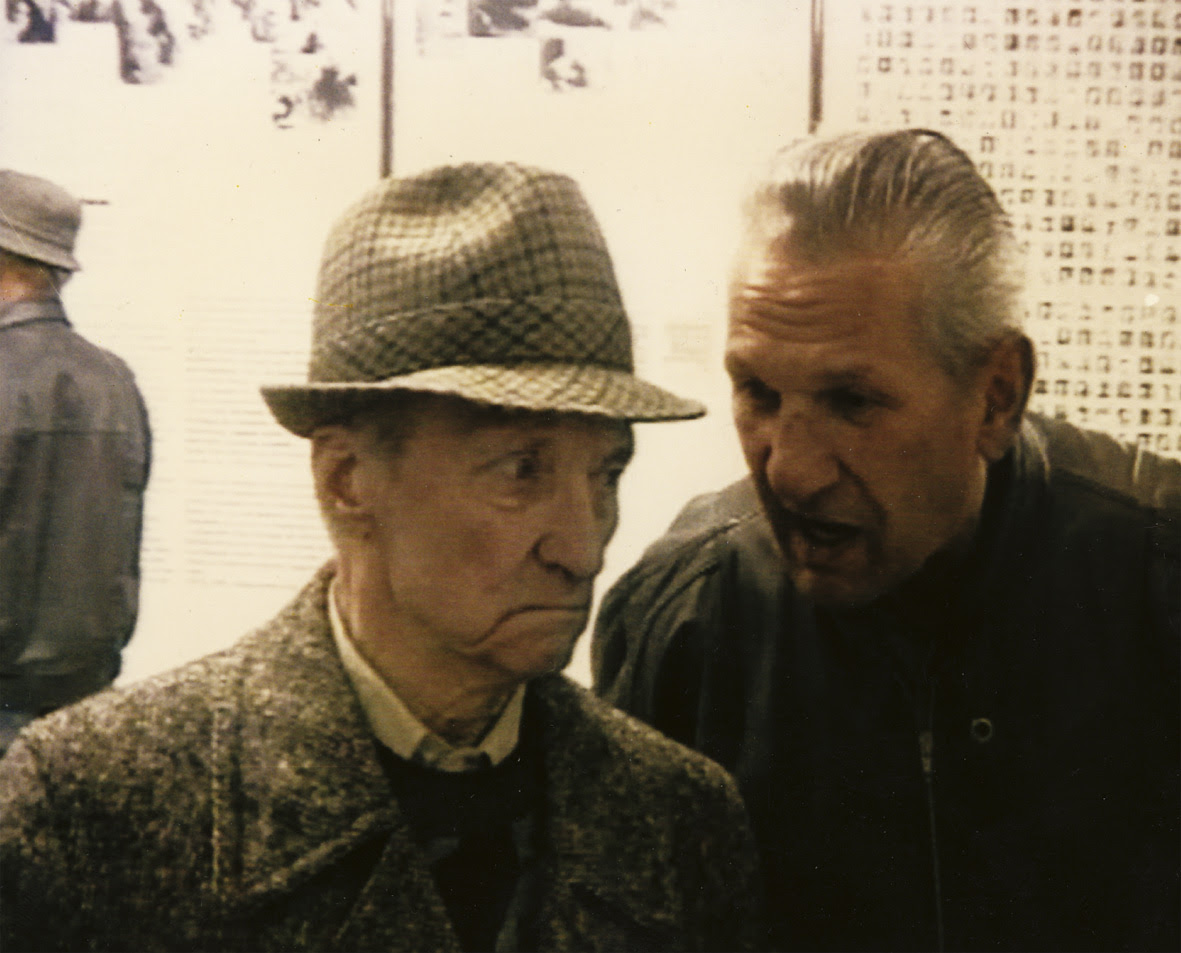
In the white, neon lit rooms of a museum where there hang black and white photos documenting the atrocities of the German Wehrmacht on the Eastern Front during the Second World War, former soldiers argue about their experiences of that time. “East of War” shows the difficulty to recompose the past through generally accepted filter, as long as even archive documented events are contested by their eye witnessed, some of them nostalgics of the Nazi era, and other adamant protesters.
Homemad(e) (2001)
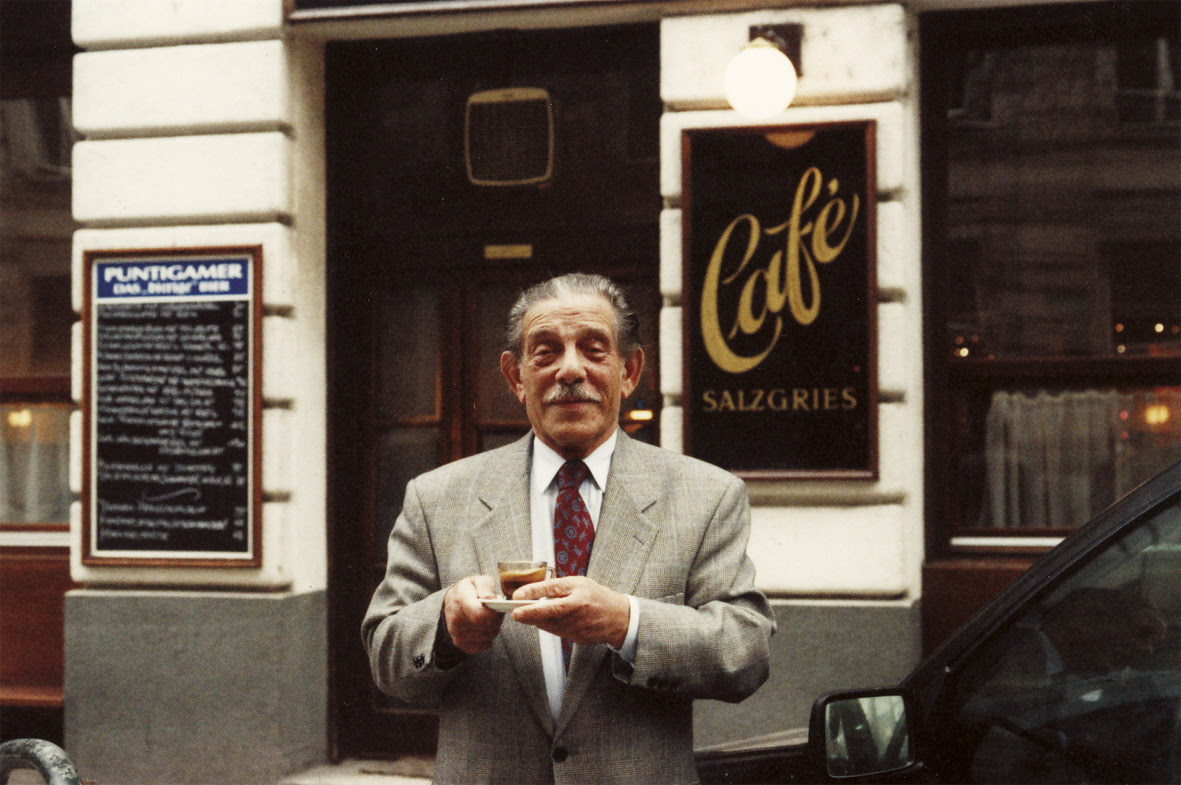
Marc-Aurel is a street in Vienna where, at the time this documentary was being filmed, Ruth Beckermann used to live. It is also a street that used to be famous for its Jewish textile merchants. In an attempt to capture the spirit and diversity of the neighbourhood, the filmmaker visits the five or six cafés it boasts, painting a series of vivid and complex portraits of the people who, through their daily presence, breathe life into them. The only spectre threatening this harmony is the result of the 2000 elections, which saw an extreme right wing party joining the governing coalition.
Valsul Waldheim (2018)
Up until 1986, when he decided to run for the Austrian presidential elections, there were no more than some distant rumours about the Nazi history of former Secretary General of the United Nations, Kurt Waldheim. During his campaign, his involvement in the 1942 massacres of the Yugoslavian partisans and in the 1943 deportation of Jews from Thessaloniki was brought to light, and thus Austria was forced to reevaluate its position over the country’s own implication in World War II. Consisting of different pieces of contemporary footage - TV clips, but also videos taken by the director herself during anti-Waldheim protests that she took part in — ”The Waldheim Waltz” describes the moment when Austria realised it can no longer consider itself merely one of Hitler’s victims, but rather his collaborator.


